The SIR Effect: Why Bengali Muslims Fear for Their Voting Rights
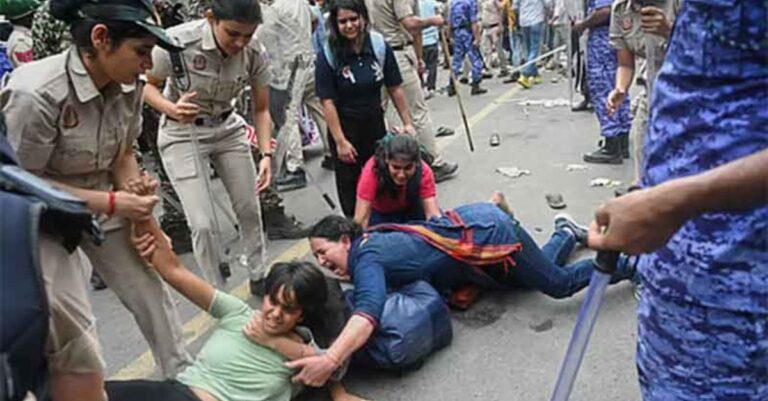
The entire SIR process (Special Intensive Revision) is not clear, full of alleged mistakes. And in Bengal its foremost target is a community.

The entire SIR process (Special Intensive Revision) is not clear, full of alleged mistakes. And in Bengal its foremost target is a community.

After years of maritime blockades, economic sanctions, diplomatic pressure, and covert operations, the United States and Israel have finally launched a large-scale attack on Iran. This operation, carried out with missiles and fighter jets, has pushed the entire West Asian region to the brink of a wider war.

As the war following Russia’s full-scale invasion of Ukraine in February 2022 enters its fifth year, the attitude of the Russian public remains difficult to gauge: Just over half of Russians, according to one recent poll, expect the war to end in 2026; yet a majority say that should negotiations fail, Moscow needs to “escalate” with greater use of force.

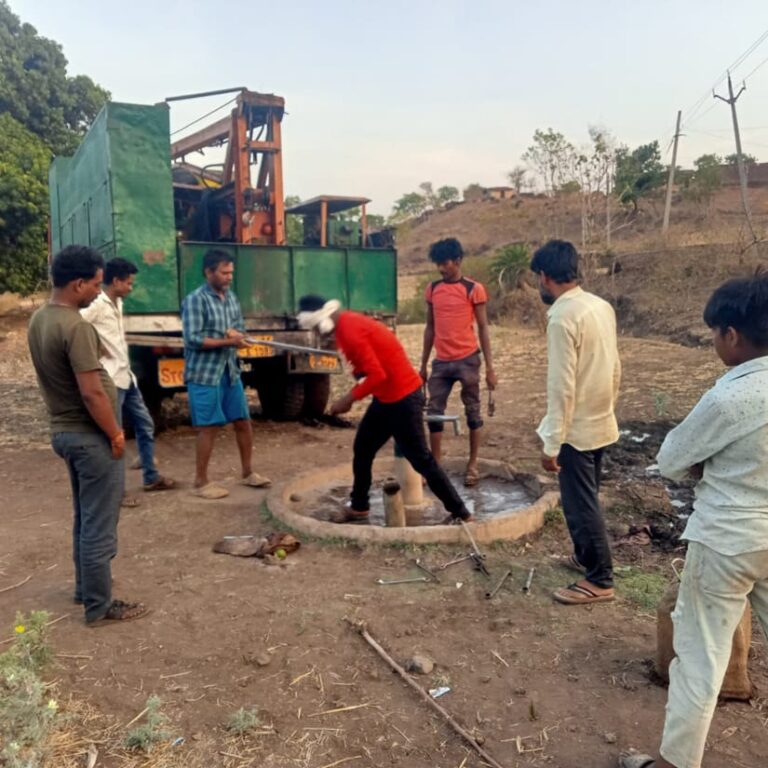
A scheme funded by public money must primarily benefit the public particularly farmers. Only through transparent auditing, swift claim settlements, strict oversight of insurance companies, and greater farmer representation can the true spirit of the scheme be revived and trust restored.

Through campaign financing, control over media, and influence on policymaking, billionaires are hollowing out democracy from within.

The ambiguity of the VBG–Ram Ji scheme, the inadequate funding for the MGNREGA transition, financial pressure on states, and cuts in welfare programs send a single message: the interests of ordinary people come last.

The concept of free trade agreements (FTAs) may appear attractive on the surface, but the political economy and social consequences behind them are often unequal and controversial.

Andrews got closely associated with its icons like Rabindranath Tagore and MK Gandhi. He empathised with India’s freedom struggle.

The top 10 percent of people in India have concentrated a whopping 65 percent of the country’s total wealth. This means approximately 140 million people control two-thirds of the country’s wealth, while the remaining approximately 1.36 billion people are left with only 35 percent of wealth.

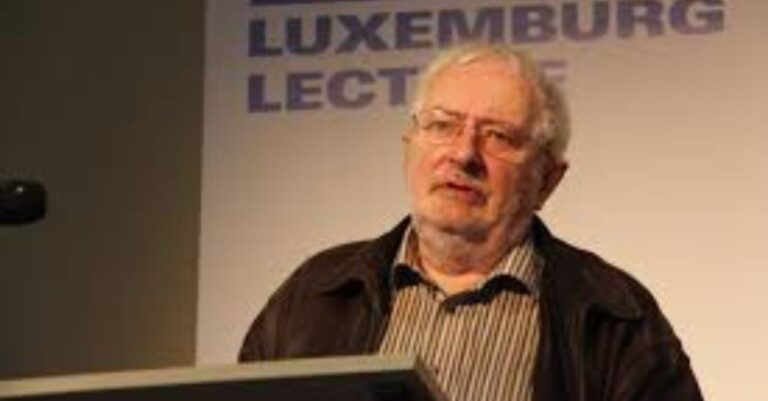
Totalitarianism, she argued, was a radically new form of government distinguished by its ideological conception of history. For the Nazis, history was a clash of races; for Stalinism, it was class war. Either way, totalitarian leaders sought to execute historical “laws” by forcibly reshaping the humans they ruled.