Double Income or Double Crisis? A Bitter Question from Farmers
Today, farming has become a loss-making occupation for farmers. As a result, either farmers are committing suicide or their children are leaving agriculture in search of a better future.

Today, farming has become a loss-making occupation for farmers. As a result, either farmers are committing suicide or their children are leaving agriculture in search of a better future.

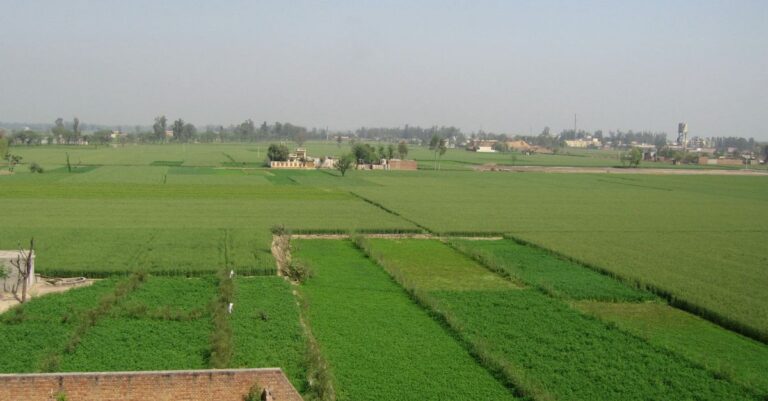
One of the main reasons pushing farmers toward suicide is that agriculture is no longer economically viable or capable of sustaining livelihoods. The reasons behind declining profitability include shrinking landholdings—from an average of 2.3 hectares in 1960–61 to 1.6 hectares in 2002–03—and rising expenses alongside income. Although farmers’ incomes have increased, their expenditures and debt burdens have grown even faster.

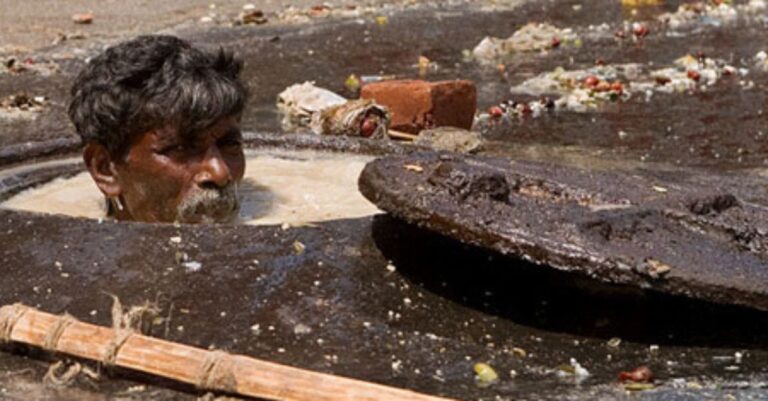
116 workers died due to manual scavenging in 2024, and in 2025 this number rose further to 158. This means that every two to three days, a person in our country dies while cleaning a sewer or septic tank.

The threat of nuclear war remains one of the gravest dangers facing humanity. The use of nuclear weapons would cause unimaginable destruction, leading to massive loss of life. A single nuclear explosion in a densely populated area could kill millions instantly and expose many more to radiation-related illnesses. The environmental damage would be equally catastrophic, with widespread fires, contamination of water sources, and destruction of ecosystems.

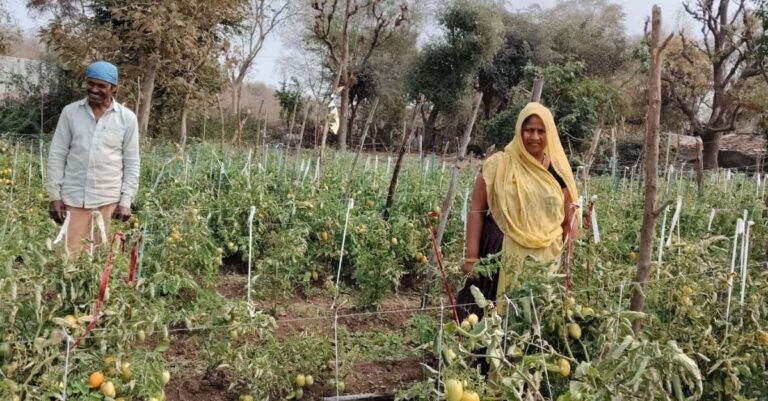
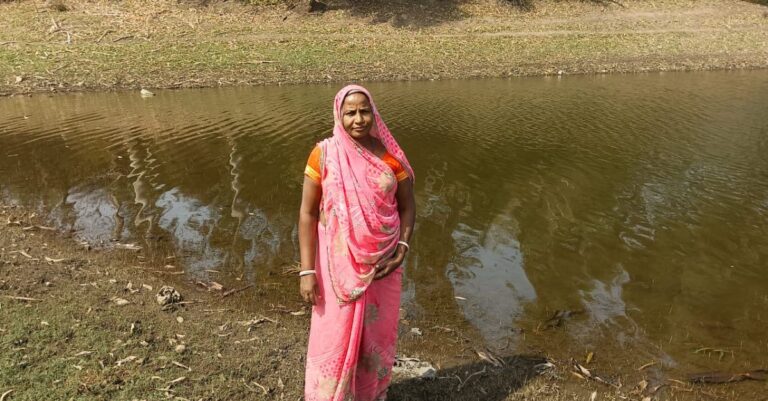
In the small village of Kundli, under Rajia Panchayat in Ghatol tehsil of Banswara district, Rajasthan begins the story of a tribal family 43-year-old Vanta Ramdas Charpota. Despite facing repeated failures, she never gave up. With hard work, dedication, and improved agricultural techniques, she transformed her land into a field of hope.

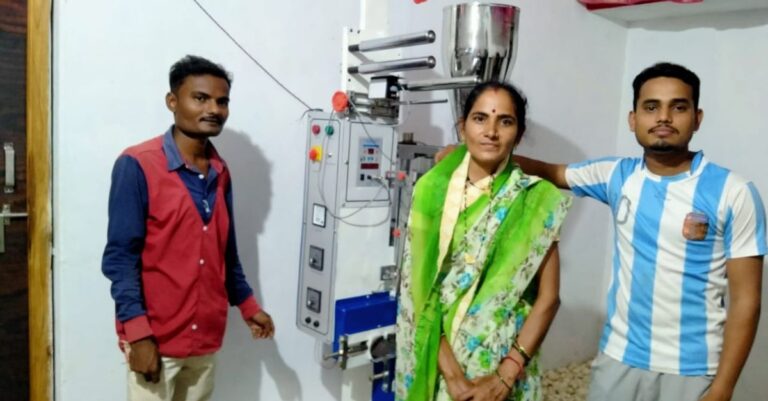
Anju Markand Kapgate, whose struggle for survival was much like that of countless other rural women: limited resources, insufficient income, and an uncertain future. Yet, this woman transformed her family's fate through sheer determination and the steadfast support of the Umed Abhiyan.

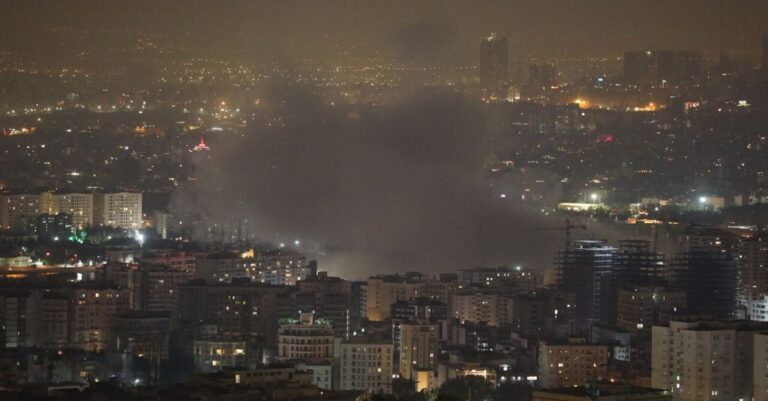
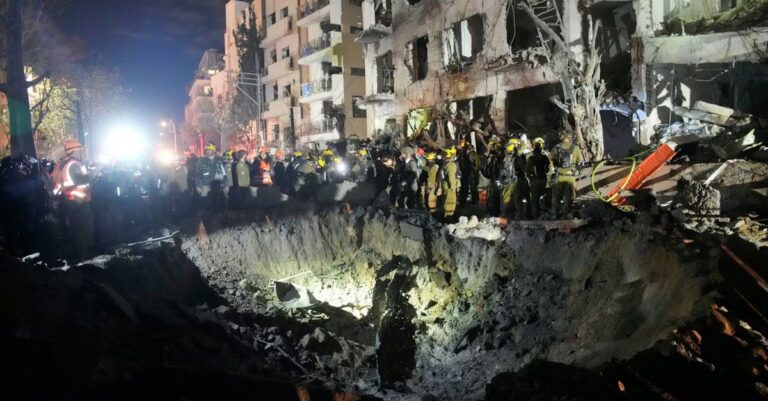
After years of maritime blockades, economic sanctions, diplomatic pressure, and covert operations, the United States and Israel have finally launched a large-scale attack on Iran. This operation, carried out with missiles and fighter jets, has pushed the entire West Asian region to the brink of a wider war.

A scheme funded by public money must primarily benefit the public particularly farmers. Only through transparent auditing, swift claim settlements, strict oversight of insurance companies, and greater farmer representation can the true spirit of the scheme be revived and trust restored.

One of the key legacies of The Black Book is its emphasis on the lived experiences of ordinary African Americans. By including a wide range of materials, from the mundane to the extraordinary, the book presents a more complete and honest portrayal of Black life in America.

Through campaign financing, control over media, and influence on policymaking, billionaires are hollowing out democracy from within.