Vikas Parashram Meshram

Vikas Parashram Meshram

Vikas Parashram Meshram is a senior journalist. He is also a social worker and activist working towards the rights of tribal and marginalized communities.

Generation Z’s Tremor at the Seat of Power

The name Cockroach Janta Party is itself an ironic commentary. When those in power belittle protesting youth, dismiss citizens who ask questions, and compare them to lowly insects, then picking up that very insult and naming one's own movement after it — turning it into mockery of the arrogance of power — is a mark of this generation's distinctive style.

From Struggle to Solution How a Grassroots Organization and the Administration Together Changed the Face of Bajna’s Villages

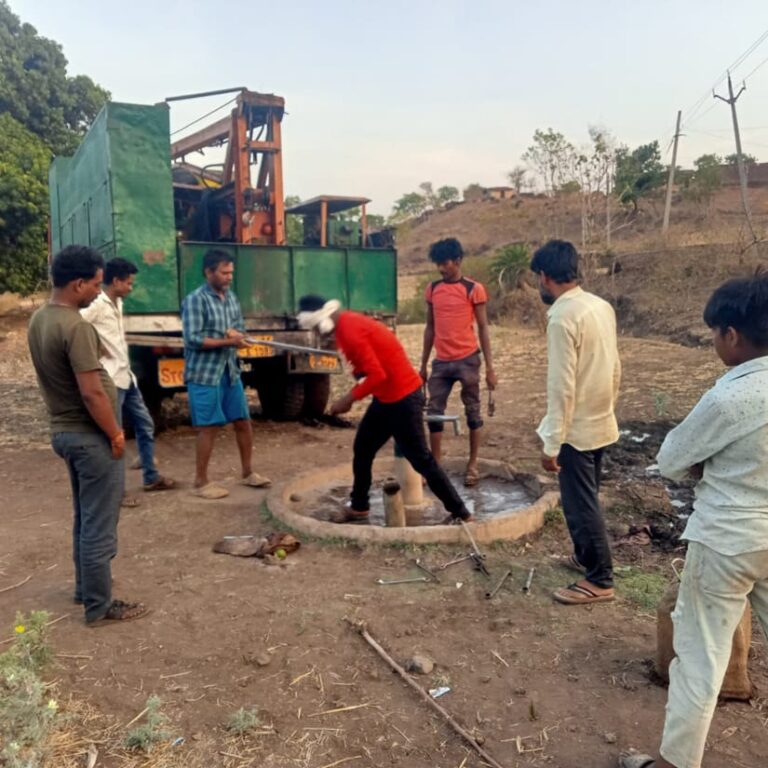
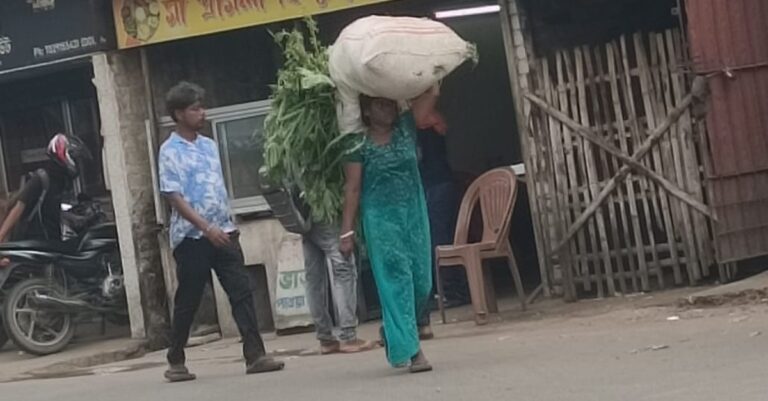
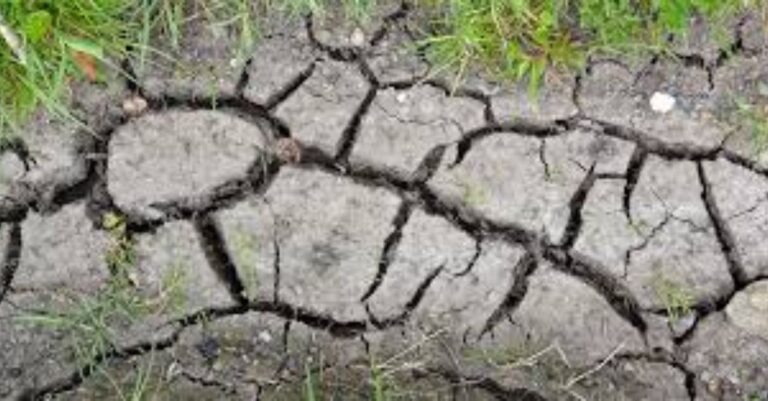
This summer's punishing heat bore down hard on rural life in the Bajna block of Ratlam district, Madhya Pradesh, and no one felt it more sharply than families in villages where the handpumps had sat broken for months. As temperatures climbed, so did the thirst of the land, and the desperation of those who depended on it. Eighteen villages were in especially dire straits, with thirty-four handpumps out of order, forcing women to walk long distances just to fetch a pot of water.

The Economist Who Searches for the Human Behind the Numbers Jean Drèze

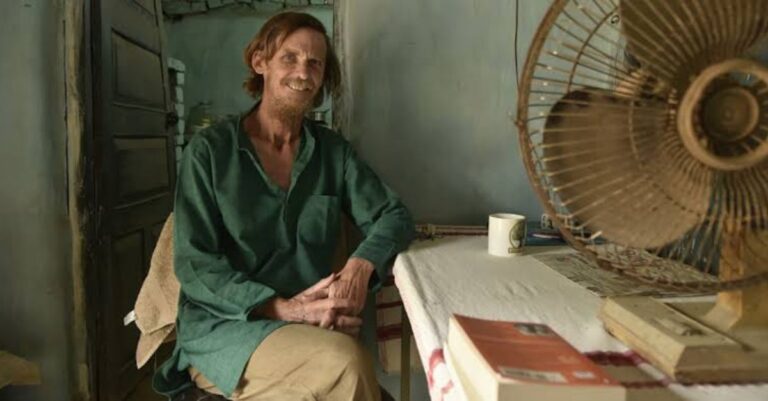
Discussion of inequality in India is often trapped in numbers and statistics. But the distinctive quality of Drèze's work is that he brings forward the human being hidden behind those numbers. The face of a grandmother sleeping hungry in a hut, of a tribal youth who goes to ask for work on a farm and returns empty-handed, of a Dalit woman who comes back with nothing because her Aadhaar scan would not work all these faces remain alive in Drèze's research.

Water Conservation Brings Stability to Life

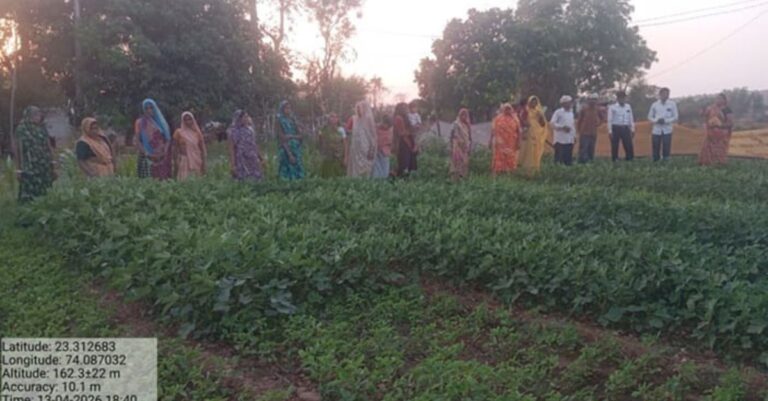
Today, Dayabai is no longer confined to the limits of her home. She regularly reaches out to other women to strengthen the Saksham group and educates her community about the importance of water, land, forests, livestock, and native seeds. Her husband and other family members, who had earlier migrated for more than six months at a stretch, now farm their own land and live together as a family.