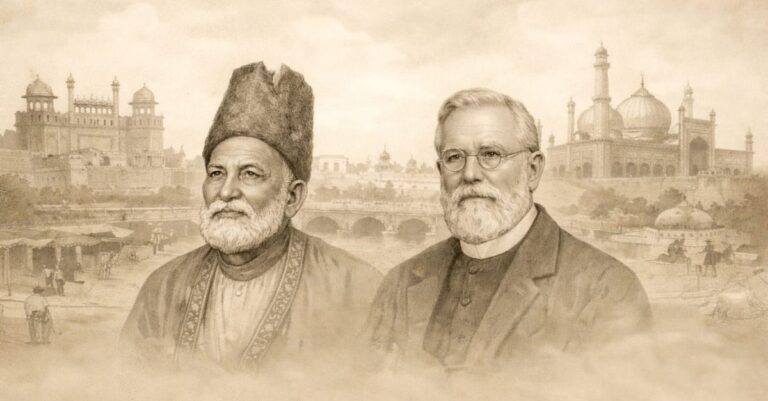
CF Andrews and his ‘Delhi Renaissance’
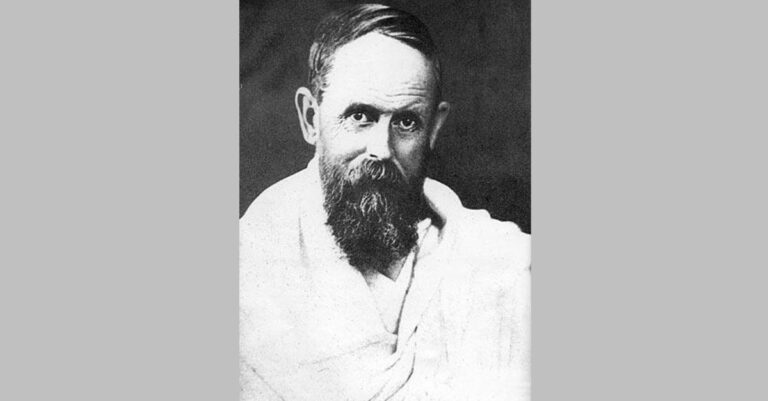
Andrews got closely associated with its icons like Rabindranath Tagore and MK Gandhi. He empathised with India’s freedom struggle.

Andrews got closely associated with its icons like Rabindranath Tagore and MK Gandhi. He empathised with India’s freedom struggle.

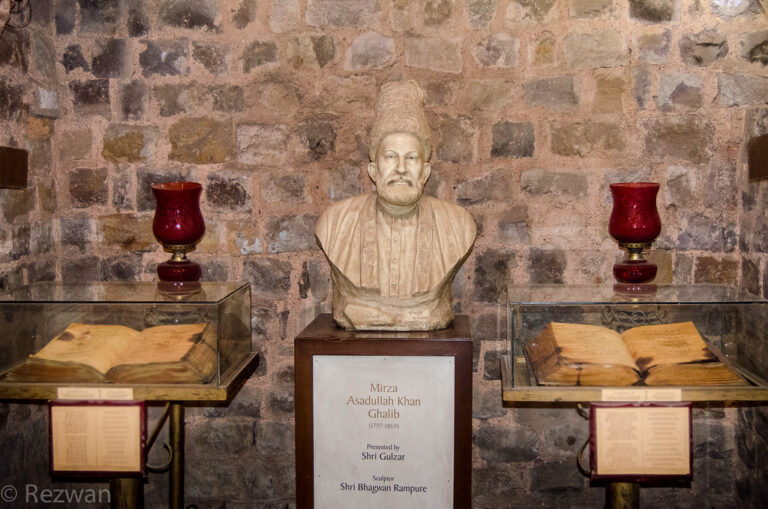
Born on 27th December 1797, Mirza Asadullah Khan ‘Ghalib’ is considered as the greatest Urdu poet of the 19th century. A peek into his life, poems and thoughts sheds light on the ethos of the 19th century Delhi and the…

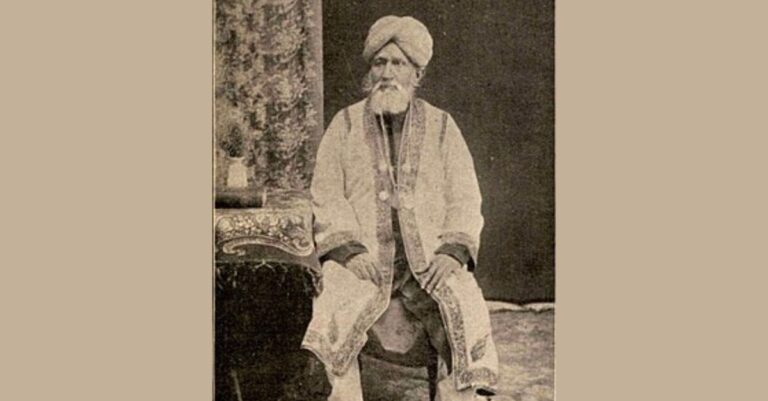
Of the most important figures of the ‘Delhi renaissance’ was Mohammad Zakaullah. He is often called Munshi Zakaullah or Maulvi Zakaullah. However, as a core contributor to the ‘Delhi renaissance’, he is mostly forgotten by even progressive historians.

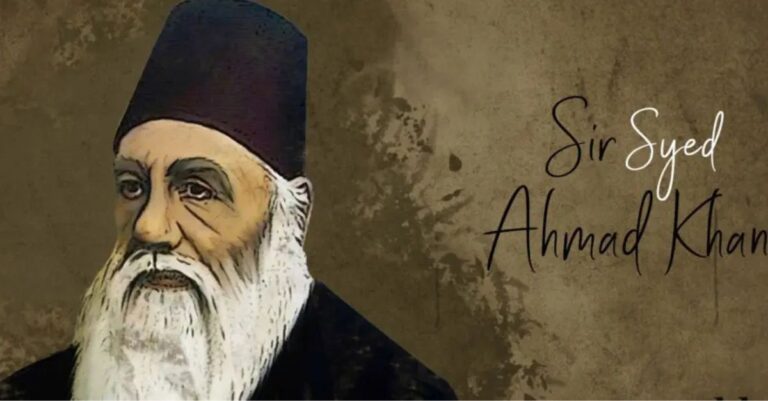
One of the chief concerns of Sayyid Ahmad was communal harmony and inter-faith dialogue. He valued symbols of composite living like the places of worship and, therefore, displayed affection for Delhi's Hindu and Jain temples.

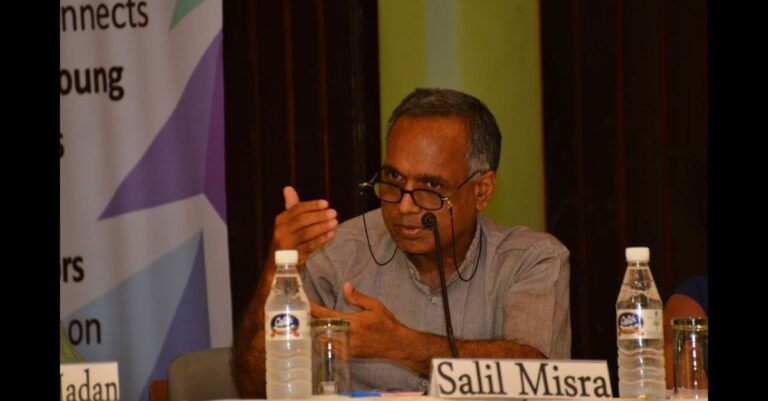
On 15th August 2025, Free Voice celebrated the birth anniversary of historian of modern South Asia, Mushirul Hasan by inviting Salil Misra, another historian of repute. Misra laid out the broad intellectual trends and methodological approaches applied by Hasan in his four decades long intellectual journey.

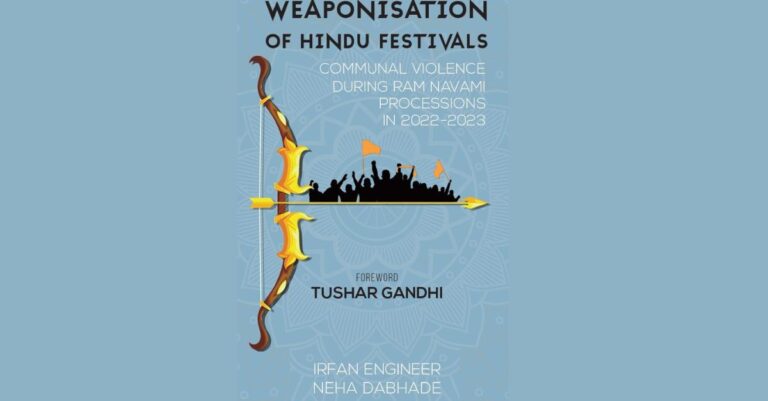
This book studies the major instances of communal violence that occurred between 2022 and 2023 during Ram Navami processions.

Indian society till the late 1920s, was plural, where Hindus and Muslims were living amicably. This well-established historical fact is still marginal in popular imagination. We are led to believe that Muslims were always separatists, despite historical evidence to the contrary (Joya Chatterji’s Bengal Divided, 1994).

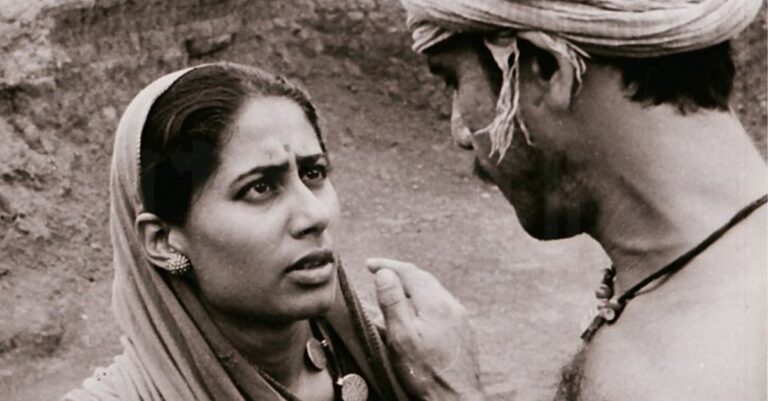
Sadgati (1981)Director: Satyajit Ray.Producer: Doordarshan Dukhi is a god-fearing person from a Dalit caste. He stays in a village with his kind and loving wife, Jhuria. Their daughter needs to be betrothed and the ritual can only be solemnised by…

This essay explores the role of waqf—charitable endowments made by Muslims in India—within the broader framework of minority rights. I argue that empowering minorities is essential for realizing India’s vision as a pluralistic society free from discrimination and exclusion.

In this book, I sensed a vision for the future of the Muslims in India that Mushirul Hasan must have dreamt of. He wanted Muslims to be a securer of justice not only for Muslims but also for the non-Muslims of the world. This is a message for global peace and communal harmony.