Zeeshan Husain

Zeeshan Husain

Zeeshan Husain works as a freelancer.

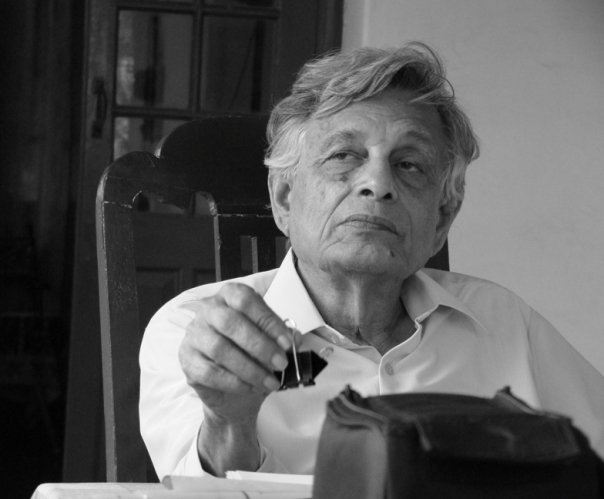
Celebrating Irfan Habib at 95: Some reflections on his idea of India

Habib highlights Karachi Resolution of 1931 as one of the best steps taken by Congress. Civil Disobedience Movement of 1930 was supported by a large section of people. He also quips about participation of Khudai Khidmatgars in the National Movement. Bhagat Singh and Subhas Chandra Bose were both aware about the dangers of Hindu communalism. Bose made Hindi and Urdu as the official languages of the Azad Hind Fauj. After Independence, Nehruvian India strove for land reforms and industrialisation. Towards the end, he asks young minds to strive for a secular and prosperous India. India that we aspire to build, Habib sa’ab asserted, must include all religions and eliminate poverty, unemployment, and hunger.

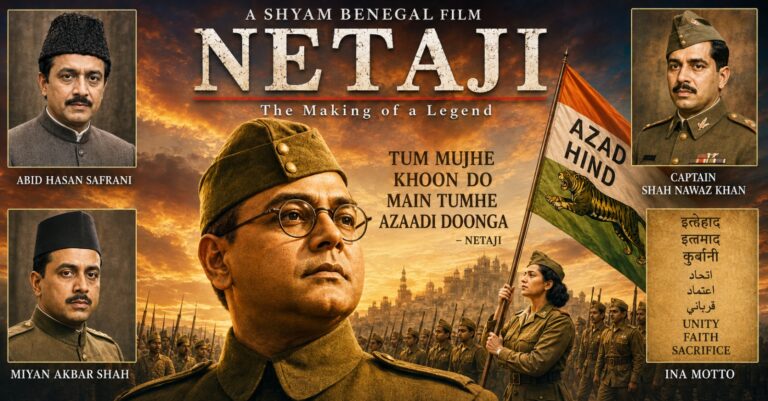
Bose: The Forgotten Hero: A Review

For last decade or so, India is going through a difficult phase in its history. People are distorting his ideas deliberately. Taking stock of current situation, it is urgent to relook at Netaji’s ideals of religious pluralism, gender justice and socialist principles.

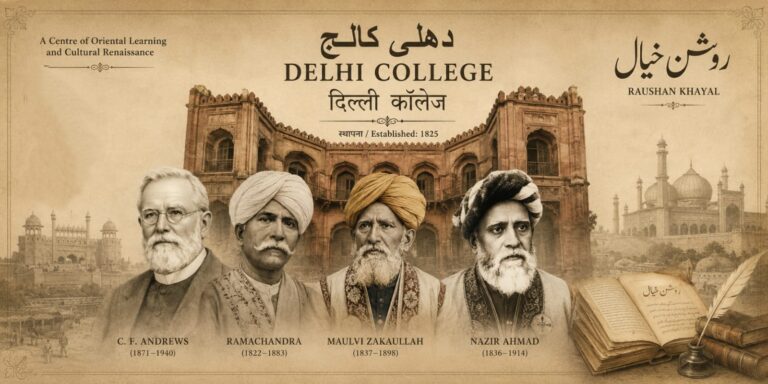
Delhi College: Heart of Delhi Renaissance

Delhi College had become a shadow of its glorious past during the days of CF Andrews. However, Andrews was sensible enough to understand its achievements and legacy in the early 20th century. Historians claim that there were two major reasons behind the sudden collapse of Delhi College and its Renaissance: revolt of 1857 and replacement of Urdu with English.

‘Delhi Renaissance’: A Brief Introduction

The person who coined the term ‘Delhi renaissance’ was CF Andrews. During his first exposure to Delhi, he noticed that Urdu prose was developing, scientific works were being translated into Urdu, and the Urdu printing press was making rapid strides. Moreover, he became aware of an entirely new development in Indian Islam, ‘which eagerly embraces modern science, and of the ‘silent changes’ taking place at Aligarh College.

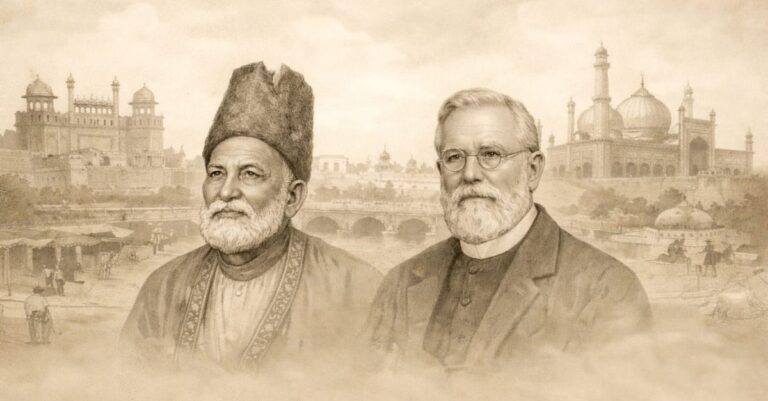
Remembering Ghalib and his Delhi

Born on 27th December 1797, Mirza Asadullah Khan ‘Ghalib’ is considered as the greatest Urdu poet of the 19th century. A peek into his life, poems and thoughts sheds light on the ethos of the 19th century Delhi and the…

Remembering Mushirul Hasan on his birth anniversary

On 15th August 2025, Free Voice celebrated the birth anniversary of historian of modern South Asia, Mushirul Hasan by inviting Salil Misra, another historian of repute. Misra laid out the broad intellectual trends and methodological approaches applied by Hasan in his four decades long intellectual journey.