Article

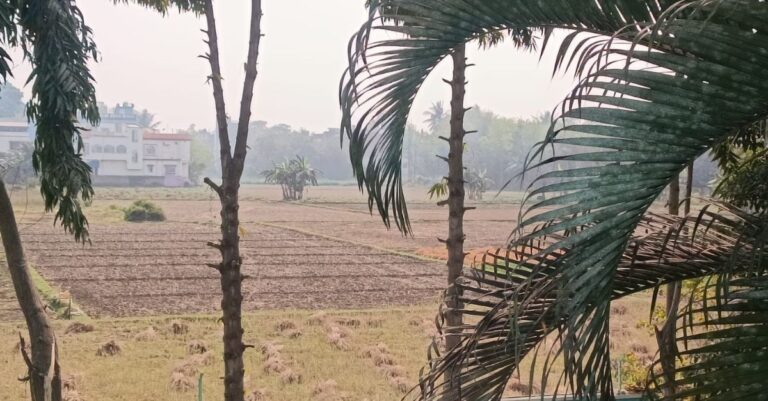
Rising Cost of Farming, Climate Change, and Debt Burden: The Fundamental Causes of Farmers’ Suicides

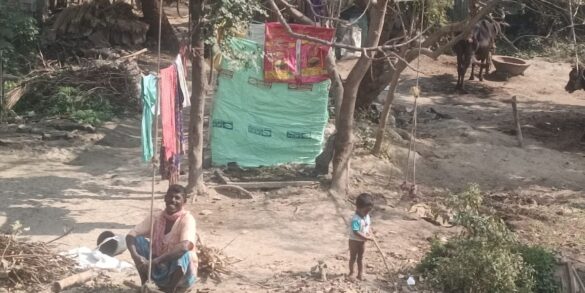
One of the main reasons pushing farmers toward suicide is that agriculture is no longer economically viable or capable of sustaining livelihoods. The reasons behind declining profitability include shrinking landholdings—from an average of 2.3 hectares in 1960–61 to 1.6 hectares in 2002–03—and rising expenses alongside income. Although farmers’ incomes have increased, their expenditures and debt burdens have grown even faster.

Read MoreRising Cost of Farming, Climate Change, and Debt Burden: The Fundamental Causes of Farmers’ Suicides

World Living Under the Shadow of War and Escalating Arms

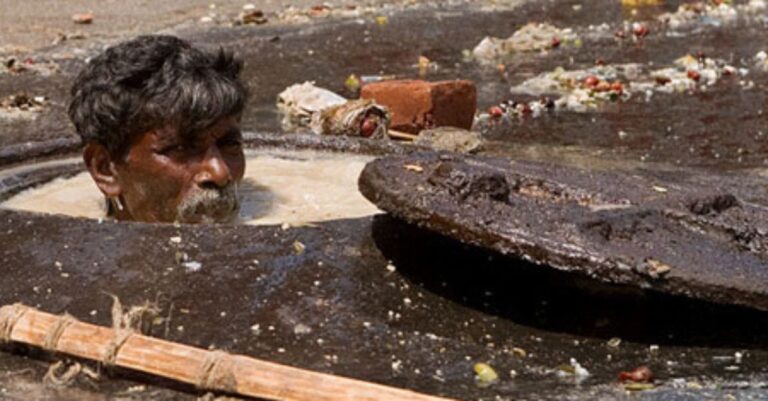
The threat of nuclear war remains one of the gravest dangers facing humanity. The use of nuclear weapons would cause unimaginable destruction, leading to massive loss of life. A single nuclear explosion in a densely populated area could kill millions instantly and expose many more to radiation-related illnesses. The environmental damage would be equally catastrophic, with widespread fires, contamination of water sources, and destruction of ecosystems.

Read MoreWorld Living Under the Shadow of War and Escalating Arms

When the Farm Became an Identity: True Farming, True Freedom

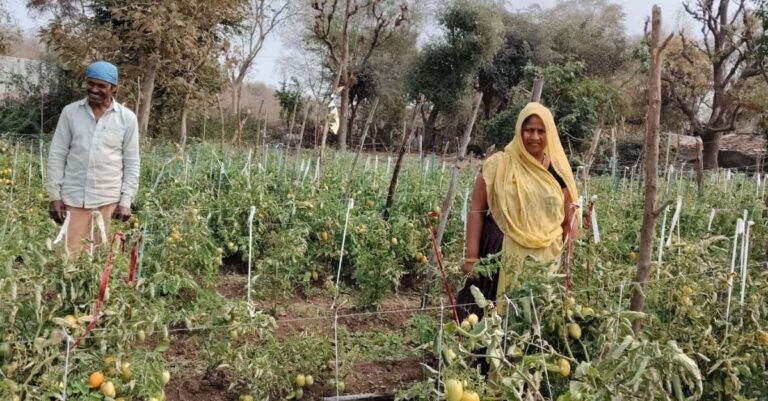
In the small village of Kundli, under Rajia Panchayat in Ghatol tehsil of Banswara district, Rajasthan begins the story of a tribal family 43-year-old Vanta Ramdas Charpota. Despite facing repeated failures, she never gave up. With hard work, dedication, and improved agricultural techniques, she transformed her land into a field of hope.

Read MoreWhen the Farm Became an Identity: True Farming, True Freedom

How Victor Hugo Met Ali Khamenei

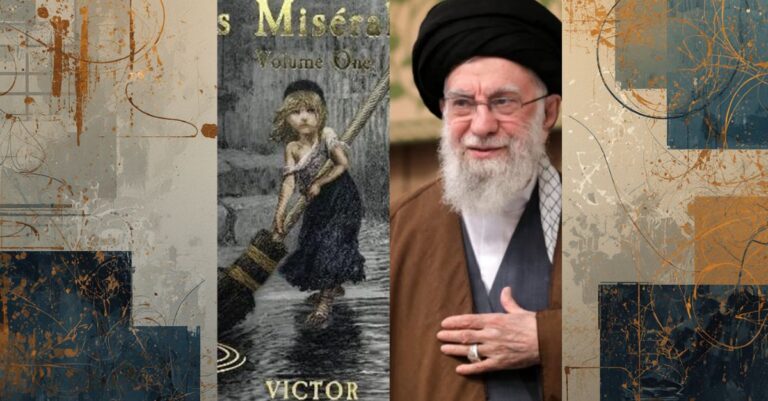
Although Ali Khamenei was an avid reader, well versed in works such as The Divine Comedy, Shahnameh,Gulistan, the poetry of Rumi, and One Thousand and One Nights, he regarded Les Miserables by Victor Hugo as an achievement in itself, even describing it as a miracle in the history of the novel and a profound book of love and feeling. His admiration suggests that he saw literature not merely as aesthetic expression but as moral pedagogy.

Read MoreHow Victor Hugo Met Ali Khamenei

‘Delhi Renaissance’: A Brief Introduction

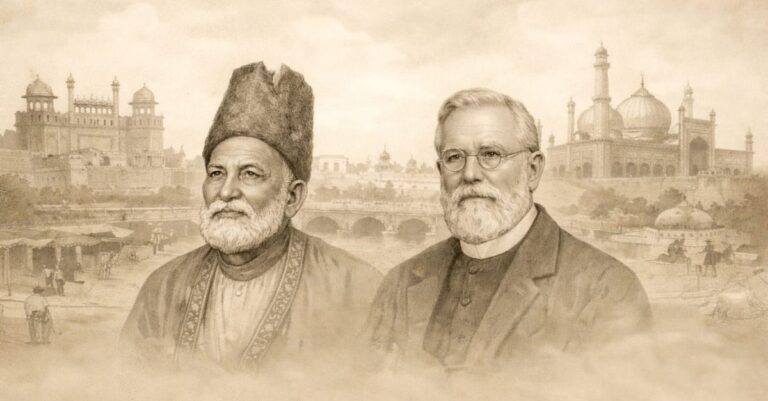
The person who coined the term ‘Delhi renaissance’ was CF Andrews. During his first exposure to Delhi, he noticed that Urdu prose was developing, scientific works were being translated into Urdu, and the Urdu printing press was making rapid strides. Moreover, he became aware of an entirely new development in Indian Islam, ‘which eagerly embraces modern science, and of the ‘silent changes’ taking place at Aligarh College.

Read More‘Delhi Renaissance’: A Brief Introduction