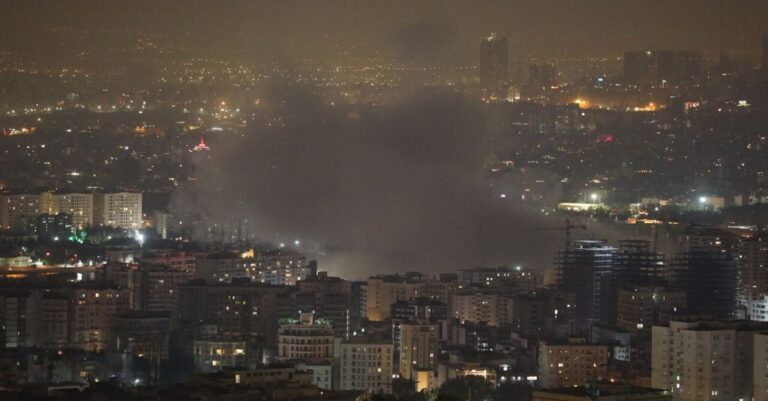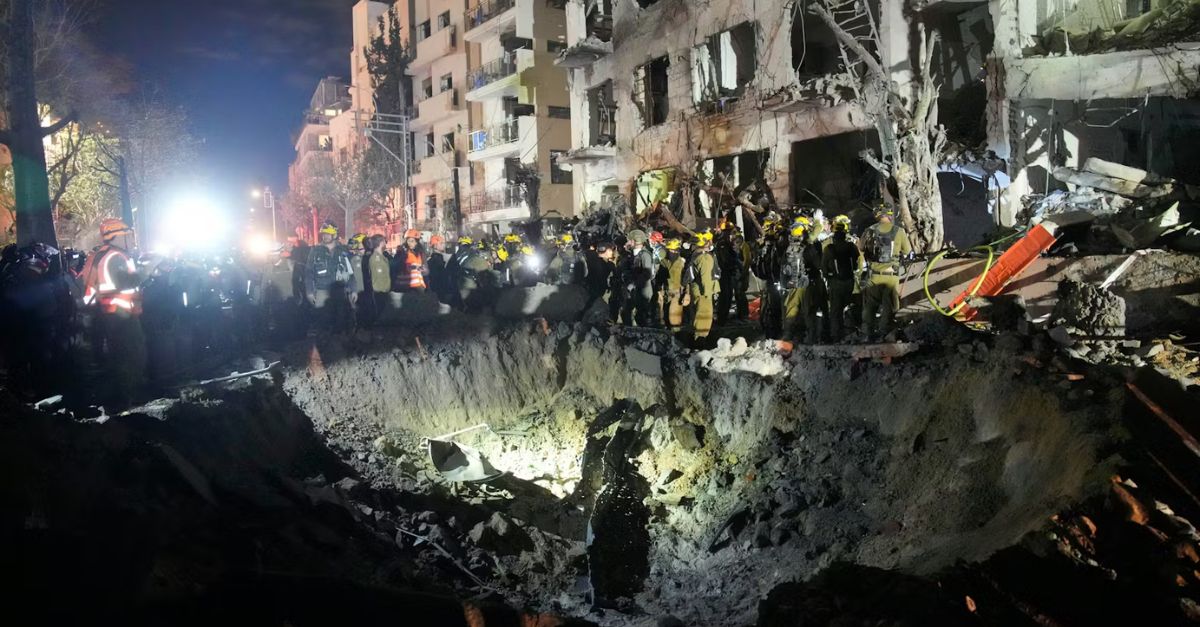

Politics in West Asia has for decades been trapped in a vortex of tension, distrust, and power rivalry. After years of maritime blockades, economic sanctions, diplomatic pressure, and covert operations, the United States and Israel have finally launched a large-scale attack on Iran. This operation, carried out with missiles and fighter jets, has pushed the entire West Asian region to the brink of a wider war. Soon after the attack, Iran responded by launching retaliatory missile strikes targeting Israel and several American military bases across the Gulf region. As a result, countries such as Kuwait, Qatar, Bahrain, Saudi Arabia, and the United Arab Emirates are now witnessing heightened tensions and security concerns.
This conflict is no longer limited to two countries. Instead, it has begun to reshape political dynamics across the entire region. Hezbollah in Lebanon and the Houthi movement in Yemen have also initiated attacks against Israel. Consequently, the conflict is gradually transforming into a multi-front confrontation. Various states, armed groups, and regional actors are becoming directly or indirectly involved, making the situation far more complex and dangerous.
Reports suggest that in the attacks, more than two hundred people have lost their lives, including Iran’s Supreme Leader Ayatollah Ali Khamenei, Defence Minister Amir Nasirzadeh, and the head of the Islamic Revolutionary Guard Corps, General Mohammad Pakpour. In southern Iran, a strike on a school reportedly killed more than eighty civilians, highlighting the devastating humanitarian consequences of the conflict. The incident has sparked intense anger across Iran, fueling a wave of grief and calls for retaliation.
These developments have raised serious questions about the strategic calculations behind the operation. Discussions are emerging about whether the attack was carried out using intelligence gathered during ongoing diplomatic negotiations. Some analysts argue that efforts could have been made to engineer a political transition within Iran rather than targeting its top leadership. The assassination of senior leaders may ultimately prove to be a grave diplomatic miscalculation, potentially escalating the conflict further.
Public opinion within the United States itself appears divided. According to recent surveys, only about one-third of Americans support the military strike on Iran. Opposition leaders have also criticized the administration for failing to consult the legislature before launching such a significant military operation. As a result, the government now faces the political challenge of justifying its decision both domestically and internationally.
The conflict has also triggered concerns among several countries regarding the safety of their citizens in the region. Many governments have begun exploring evacuation routes and opening land borders to facilitate the departure of their nationals from Iran and nearby areas. Citizens have been advised to relocate to safer zones, indicating that the possibility of a prolonged conflict cannot be ruled out.
Several American military bases across West Asia have now become potential targets. The Al Udeid Air Base near Doha in Qatar serves as a crucial headquarters for the U.S. Central Command. Around ten thousand troops are stationed there, and it coordinates military operations across a vast region stretching from Egypt to Central Asia. In Kuwait, bases such as Camp Arifjan and Ali Al Salem hold significant strategic importance due to their proximity to Iraq. Camp Buehring, built during the Iraq war, continues to serve as a key logistical hub for operations in Iraq and Syria.
The Al Dhafra Air Base in the United Arab Emirates is another vital installation for the U.S. Air Force, hosting advanced fighter aircraft and supporting aerial missions throughout the region. Meanwhile, the Jebel Ali port near Dubai is regarded as the largest logistics hub for the U.S. Navy in West Asia, regularly receiving warships and supply vessels.
In Iraq, the Ain al-Asad airbase remains a major operational center for American forces. It plays a crucial role in supporting Iraqi security forces and conducting training programs. Notably, Iran had previously launched missile attacks on this base in 2020. Similarly, the airbase near Erbil in northern Iraq serves as an important coordination center for intelligence sharing and military cooperation among allied forces.
Saudi Arabia’s Prince Sultan Air Base is also strategically significant, housing advanced missile defense systems. In Jordan, the Azraq airbase plays a key role in coordinating operations across the region. With rising tensions, all these installations now face increased risks of potential attacks.
The conflict has also exposed divisions within the Muslim world. While some countries appear to support the United States and its allies, others have called for restraint and dialogue. Saudi Crown Prince Mohammed bin Salman has reportedly been in contact with several regional leaders as he closely monitors developments. The crisis may reshape political alliances and power balances across the region.
One of the most serious consequences of this conflict could be its impact on the global economy. If Iran decides to block the Strait of Hormuz, nearly twenty-five percent of the world’s oil supply could be disrupted. This narrow waterway is one of the most critical routes for global energy trade, and any disruption could cause a sharp spike in oil prices.
If oil prices rise by ten to twenty dollars per barrel, the economic impact on countries like India could be substantial. India is among the world’s largest importers of crude oil, and such a surge would significantly increase its import bill. This could trigger higher inflation, increased transportation costs, and rising food prices. In such circumstances, central banks may face pressure to raise interest rates to control inflation.
Another critical concern for India is the safety of its citizens working in Gulf countries. Nearly nine million Indians are employed across the region. In the event of an escalation, ensuring their safe evacuation could become a major logistical challenge. Moreover, remittances sent by these workers constitute an important source of foreign exchange for India, and prolonged instability could affect this financial inflow.
Nearly half of India’s crude oil imports pass through the Strait of Hormuz. Any disruption along this route would therefore pose a serious challenge to India’s energy security. At the same time, instability in the Red Sea region could further complicate global oil supply routes.
At the global level, the conflict also raises serious questions about international law and the rules-based world order. The world is already dealing with ongoing conflicts such as the Russia-Ukraine war and the Israel-Gaza crisis. Another major conflict in West Asia could severely disrupt global trade, supply chains, and economic stability.
In this context, the United Nations Security Council must take urgent steps to de-escalate tensions. Diplomatic engagement, mediation, and dialogue are essential to prevent the situation from spiraling out of control. Countries such as Oman and Qatar could potentially play an important mediating role in facilitating negotiations.
For India, the greatest challenge lies in maintaining a balanced foreign policy. India has longstanding strategic relations with the United States, Israel, Iran, and the Gulf nations. Therefore, taking an openly partisan stance could prove risky. Strengthening energy security, expanding strategic petroleum reserves, and accelerating the transition toward alternative energy sources are crucial priorities in the current scenario.
Ultimately, the conflict in West Asia is unlikely to remain a purely regional war. Its political, economic, and humanitarian consequences will be felt across the world. In such a volatile environment, dialogue, restraint, and international cooperation remain the only viable path forward. For the sake of humanity and global stability, bringing this conflict to an immediate halt and restoring peace must become the foremost priority.