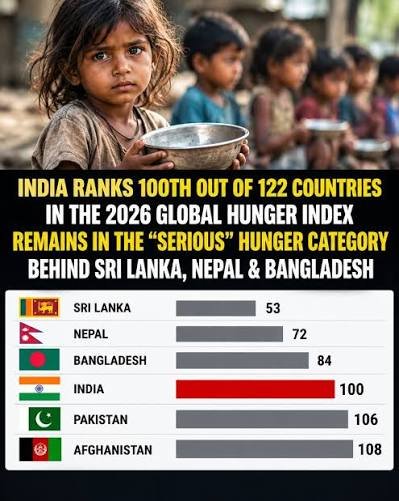
Darkness of Hunger amid the Glitter of Development
We proudly say that India is one of the fastest-growing economies in the world. At the same…

We proudly say that India is one of the fastest-growing economies in the world. At the same…
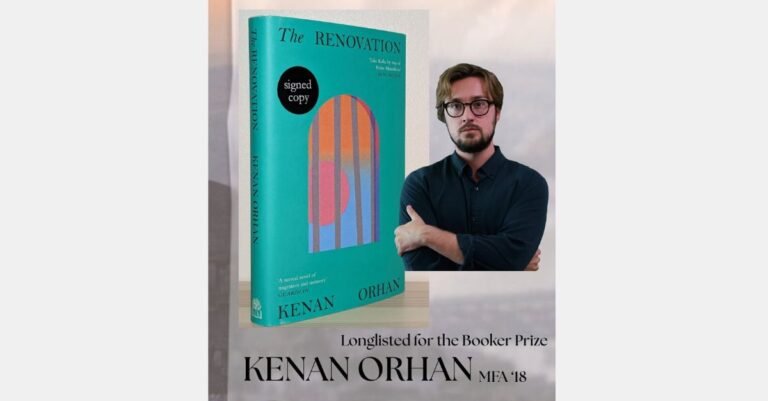
What happens when the home that an exile has built in a foreign land suddenly opens onto…
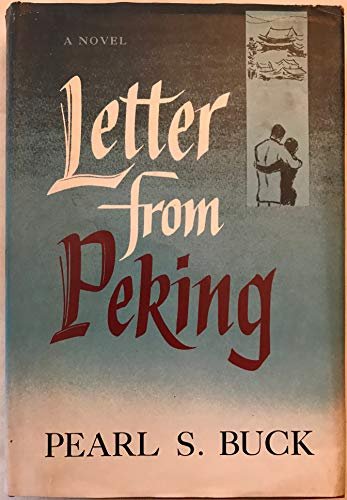
There are many novels in the world, but only a few create the feeling that we have actually lived with their characters. Letter from Peking by Pearl S. Buck gave me that feeling. I could see the characters, hear their conversations and imagine the places described by the author. Some scenes remain in my mind almost like scenes from a film. Reading it was, in many ways, like watching a beautiful cinema made with words.

It is an assertion for sticking to values. The cost is heavy, but one day the forgotten one will be rewarded by the people.
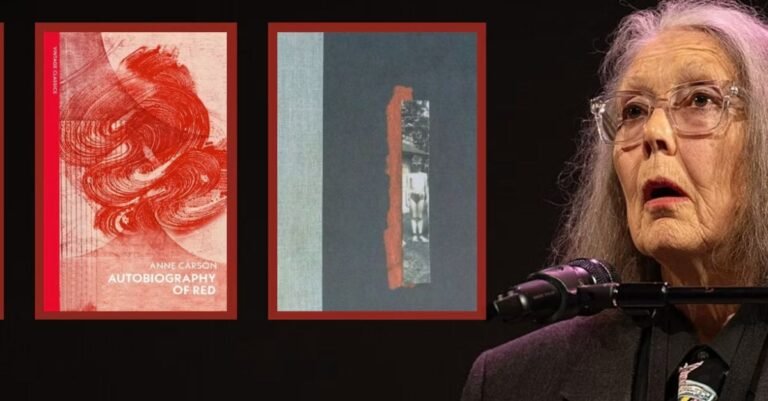
What distinguishes Anne Carson from many of her contemporaries is the combination of intellectual audacity and emotional restraint. She approaches language, literature and human experience with uncommon boldness – yet her work remains marked by a profound attentiveness to absence, uncertainty and what cannot fully be said.
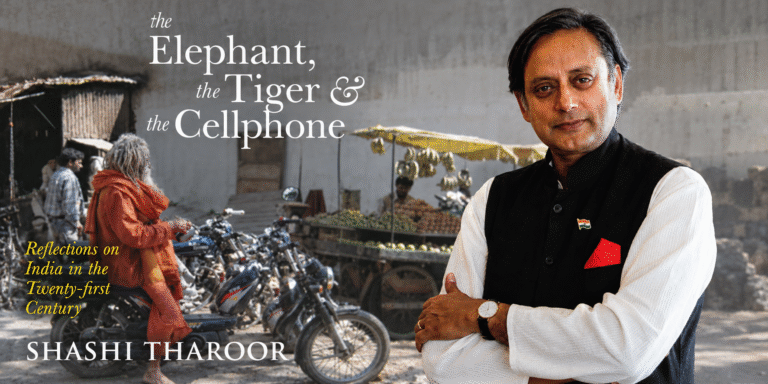
This book is concerned about poverty, illiteracy, regional imbalance, class inequality, caste hierarchy, patriarchy, majoritarianism, cricket, books, movies and paintings. The book tries to capture the paradoxical nature of India in an optimistic way. One of its best features is its unconditional support for religious pluralism.
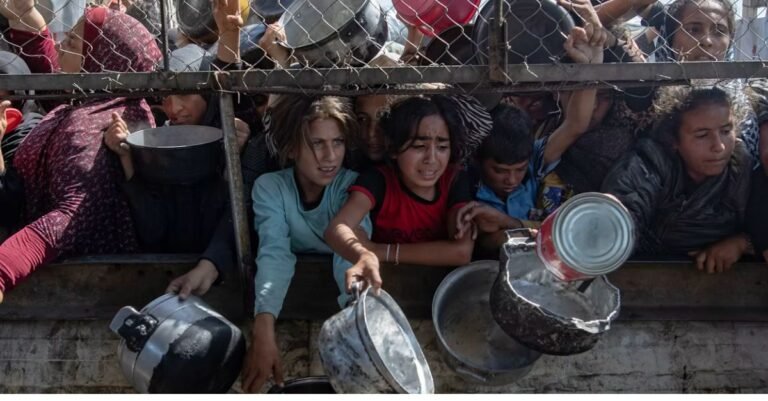
To understand the history of a place you have to go back to the start. For the Gaza Strip that start is the naqbah. Nothing that happened subsequently – from the 1950s to the 2020s – can be understood without it.