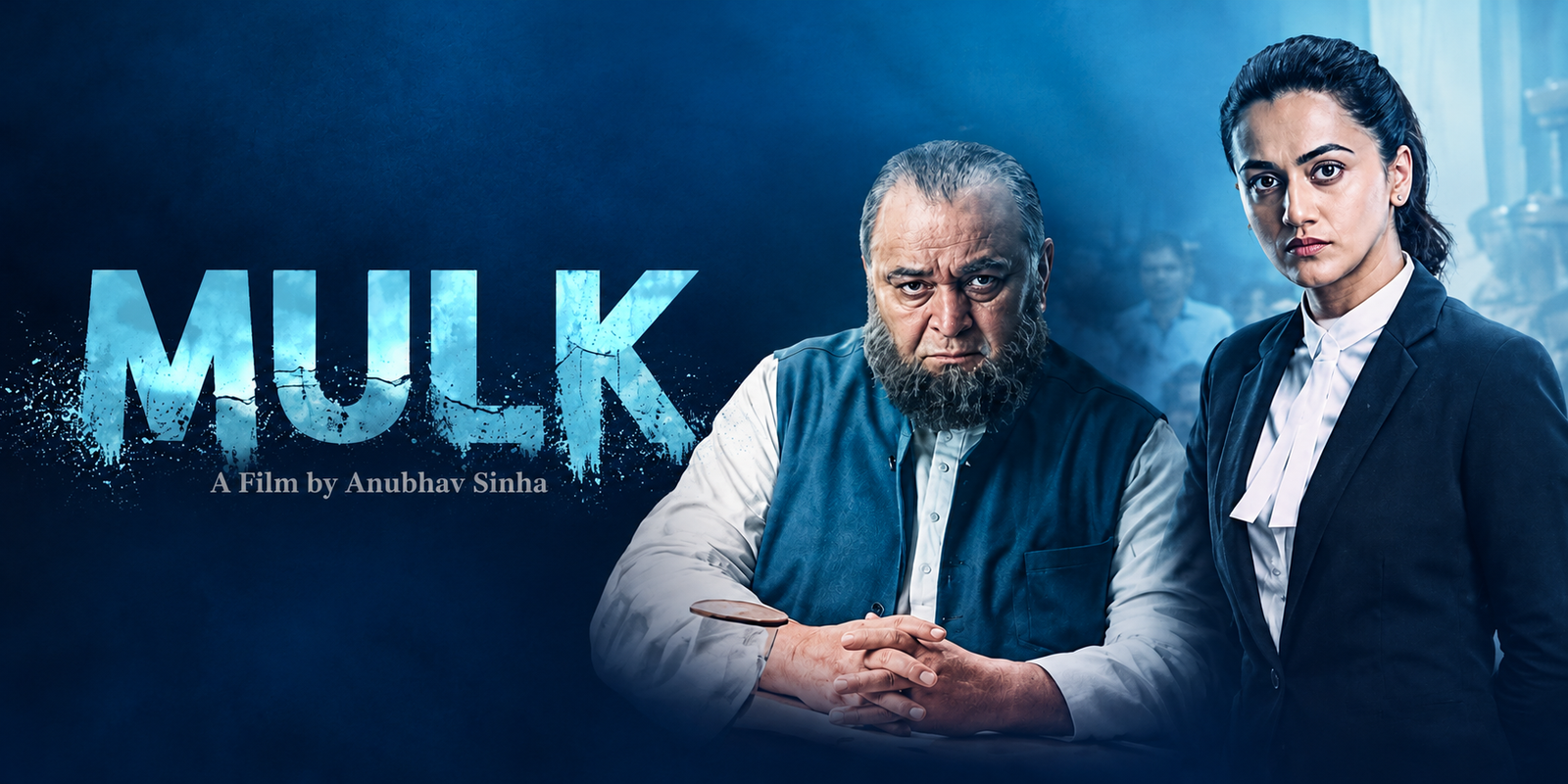

Director: Anubhav Sinha
Lead Stars: Rishi Kapoor and Tapsee Pannu
Duration: 2hr 20min
Genre: Family/ courtroom drama
INTRODUCTION: India became independent in 1947 after decades of struggle. But independence came at the cost of Partition. The Muslim-majority regions of Bengal and Punjab were partially carved out. Contrary to popular perception, Partition did not solve the ‘religion’ question. Instead, the question of religion got aggravated after Partition. With time, India also fell into the trap of majoritarianism. With no development agenda, some parties peddled communalism to gain power. Growing insecurity of the majority became their biggest asset to remain in power. Muslims, Christians, Sikhs and Buddhists started feeling alienated slowly but steadily. However, it was in 2014 that majoritarianism became overt. Hatred against religious minorities showed up in mob lynching, hate speeches and online trolling. Media started to portray stereotypical images of religious minorities for their click-and-bait. Women from minorities groups were more targeted.
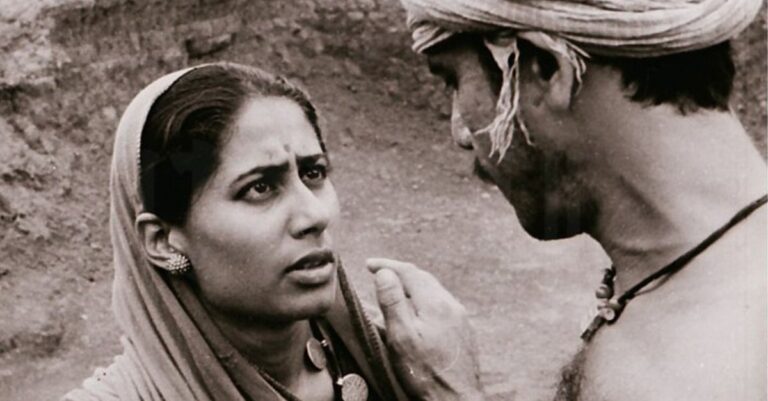
SOME WATCHABLE FILMS: Parallel cinema began in the 1950s with filmmakers like Satyajit Ray and Mrinal Sen. It continued into the 1980s with Shyam Benegal and Muzaffar Ali. I remember watching Sadgati (Satyajit Ray. 1981), and Diksha (Arun Kaul, 1991) with my siblings on Doordarshan. That was long ago. Today, the mool mantra is profit. Despite this, there are a few brave directors, producers and actors who are refusing to join the herd. They have broadness of vision and largeness of heart. Hence, we get meaningful films like Swades (2004), Taare Zameen Par (2007), Homebound (2025), Masaan (2015), and Newton (2017) among others. They carry a social message and entertain too.
HOPE IN DARK TIMES: After Independence, religious minorities (Muslims, Christians, Sikhs and Buddhists) started experiencing subtle forms of discrimination. Gradually, religious minorities disappeared from the national imagination. Now they are treated as suspects and outsiders. India has become a land exclusively for Hindus. After 2014, religious minorities are getting relegated from margins to outright exclusion. It is in this turmoil that Anubhav Sinha dared to direct Mulk (2018). It has two lead stars: Rishi Kapoor and Taapsee Pannu. All of its cast and crew deserve applause.
PLOT: Murad Ali Mohammed (Rishi Kapoor) is a lawyer living in Banaras city. He is jolly in nature and well-known in his locality. Murad Ali is a pious Muslim and has Hindu friends whom he trusts. His son, Aftab, has married a brave woman, Aarti. Murad Ali has a younger brother, Bilal, who owns a small cell phone shop but could barely make ends meet. One day it was found that Bilal’s son, Shahid, has carried out a bomb blast. Later, police kill him in an encounter. This event turns Murad Ali’s family upside down. Relatives distance themselves. Friends become foes. The neighbourhood turns cold. Once a righteous lawyer, Murad Ali is now a suspect himself.
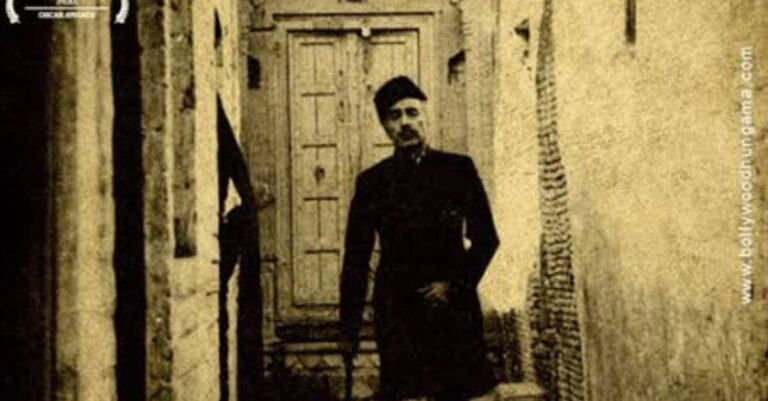
FROM GARAM HAVA TO MULK: A single act of Shahid puts his family, community and even his religion into the dock. The police file charges against his father, Bilal, and detain him. After a few days, Bilal dies in police custody due to stress and chronic illness. The family decides to leave India but Murad Ali and his daughter-in-law Aarti refuse. Why would they leave India? After all, it is their mulk. They want a dignified life. Mulk takes up the baton from Garam Hava (1973) set in Agra in the early 1950s. Salim Mirza of Garam Hava and Murad Ali of Mulk are struggling for an inclusive society. They represent the trials and tribulations of Muslims across India. There is a growing body of literature now on discrimination faced by Muslims in housing, private sector jobs and criminal justice system. The Sachar Committee Report (2006) documents their economic backwardness.
MAJOR CHARACTERS: Mulk has three remarkable characters: Murad Ali; Aarti Mohammed, the defence lawyer; and Santosh Anand, the public prosecutor. Murad Ali’s Islam teaches him pluralism. He has two close friends, Chaubey and Sonkar. Ali’s family wholeheartedly accepts their daughter-in-law, Aarti, who is a practising Hindu. When police file a case against Bilal, Aarti becomes the family’s defence lawyer. Tapsee Pannu has played this role extremely well. Santosh Anand (Ashutosh Rana), the public prosecutor, represents the ignorant masses with little knowledge of neo-colonialism. For him, Muslims are all violent, backward, and regressive. Anand knows nothing about the discrimination India’s Muslims face on a day-to-day basis. He cannot grasp the complexity of Muslim life. Mulk’s message is clear: Islam and Hinduism both teach pluralism.
MINOR ROLES: There are other significant characters too. Danish Javed (Rajat Kapoor) is a senior police officer who has absorbed the dominant discourse of the time. The judge (Kumud Mishra) plays a short but poignant role. His judgement restores faith in the judiciary through its depth and compassion. The judge refers to the Preamble of the Constitution as the principal light for Indians. He knows well how communalism is linked to electoral success. Sonkar (Anil Rastogi) stands by Murad Ali through thick and thin. He represents loyalty and kindness. Manoj Pahwa, Prachi Shah, Neena Gupta, and Atul Tiwari deliver strong performances in supporting roles. This film also has new faces like Vartika Singh, Ashrut Jain and Sumit Kaul.
CONCLUSION: Adivasis, Dalits, Muslims and women are among India’s most vulnerable social groups. India’s Muslims face discrimination in many areas of the socio-economic sphere. Mulk has taken up the cause of Muslims. It stands alongside other classics like Garam Hava (1973), Mammo (1994), and Naseem (1995). Mulk argues that a country becomes a nation through fraternity. A nation is a social space full of comradeship, not a geographical space etched out in history. Mulk is an emotional space, not a political construction. Anubhav Sinha stands alongside MS Sathyu, Shyam Benegal, and Saeed Akhtar Mirza in portraying this emotional bonding on celluloid. I am hopeful that Mulk will be shown in film studies courses across India. It deserves a wise and compassionate audience.