September 2026

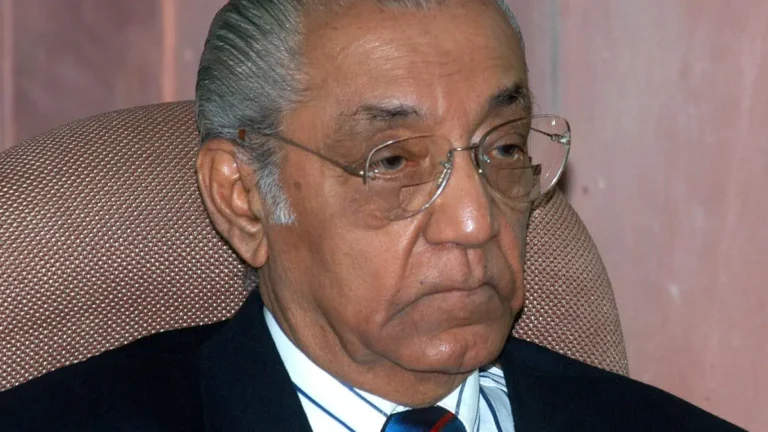
Celebrating Irfan Habib at 95: Some reflections on his idea of India

Habib highlights Karachi Resolution of 1931 as one of the best steps taken by Congress. Civil Disobedience Movement of 1930 was supported by a large section of people. He also quips about participation of Khudai Khidmatgars in the National Movement. Bhagat Singh and Subhas Chandra Bose were both aware about the dangers of Hindu communalism. Bose made Hindi and Urdu as the official languages of the Azad Hind Fauj. After Independence, Nehruvian India strove for land reforms and industrialisation. Towards the end, he asks young minds to strive for a secular and prosperous India. India that we aspire to build, Habib sa’ab asserted, must include all religions and eliminate poverty, unemployment, and hunger.

Read MoreCelebrating Irfan Habib at 95: Some reflections on his idea of India

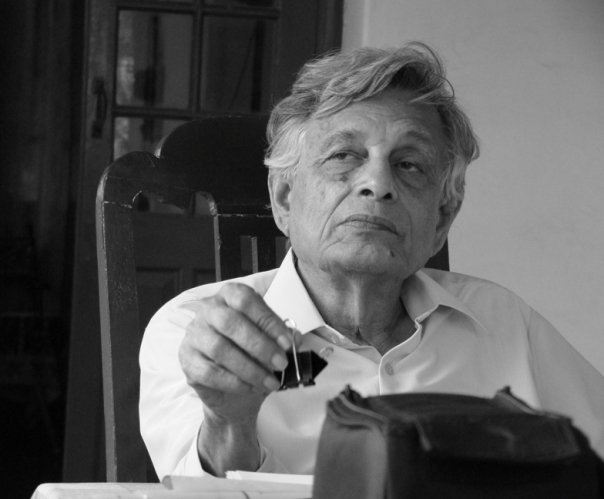
From Anti-Caste Struggle to Women’s Liberation: The Transformative Contribution of Gail Omvedt

Today, many years later, the work and thought of Dr. Gail Omvedt still feel just as relevant. Caste reality has still not ended, injustice against women has still not ended, and the problems of farmers and agricultural laborers remain unresolved — in such circumstances, the ideological foundation Dr. Gail laid out, and the path of action she demonstrated, continue to guide scholars and activists of the new generation.

Read MoreFrom Anti-Caste Struggle to Women’s Liberation: The Transformative Contribution of Gail Omvedt